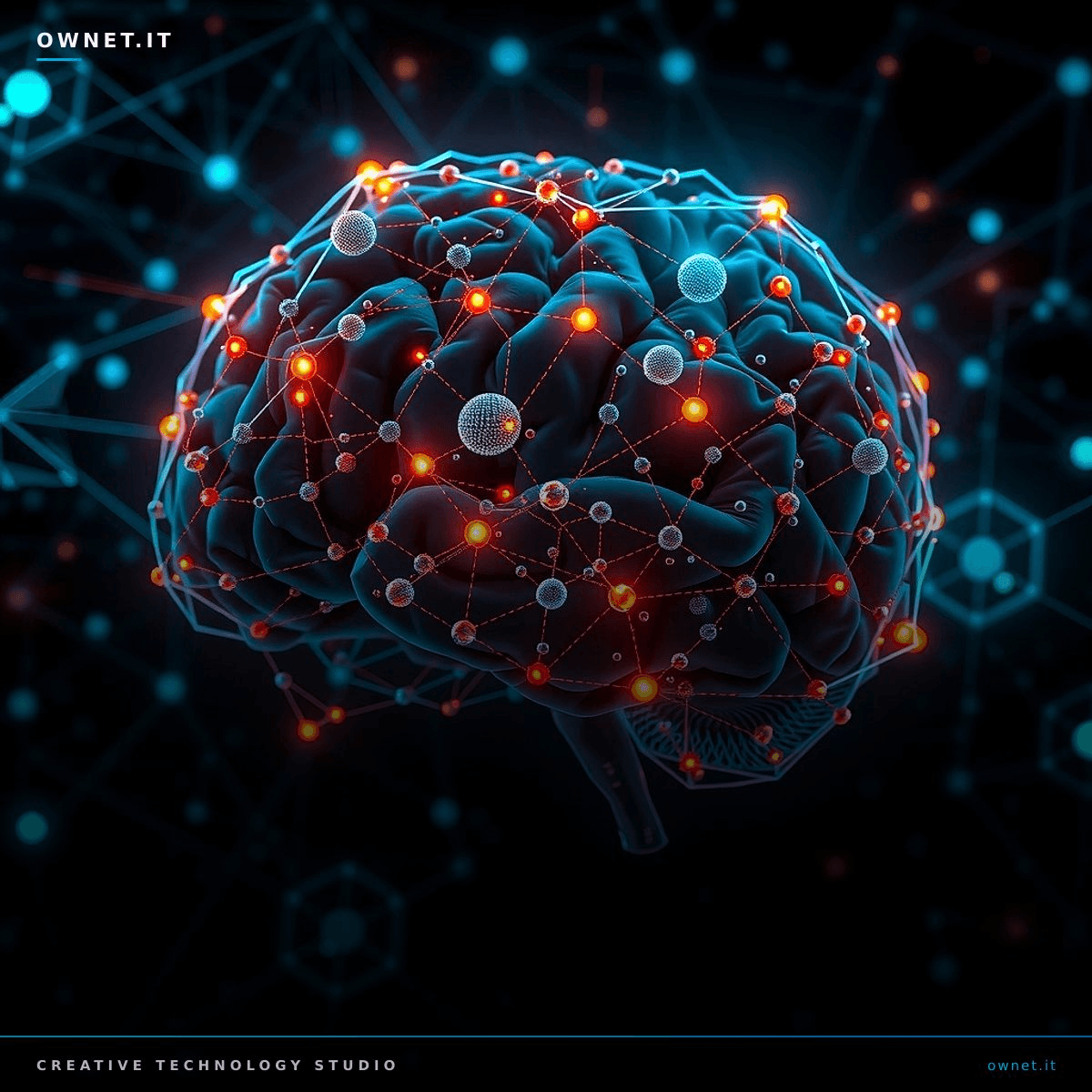
The concept of personal encyclopedias—private, searchable knowledge systems—is reshaping how developers and teams organize, access, and leverage information. While the idea isn't new, modern AI and web technologies are finally making sophisticated personal knowledge management accessible to everyone. At OWNET, we see this as a fundamental shift in how technical teams will work in the coming years.
From Note-Taking to Knowledge Systems
Traditional note-taking apps treat information as isolated documents. Personal encyclopedias, however, create interconnected knowledge graphs where every piece of information can relate to others. For developers, this means your API documentation connects to your project notes, which link to your learning resources, creating a web of contextual knowledge.
The technical implementation typically involves:
- Full-text search with semantic understanding
- Bi-directional linking between related concepts
- Tag hierarchies and automated categorization
- Version history to track knowledge evolution
AI-Powered Knowledge Retrieval
What makes modern personal encyclopedias revolutionary is AI-enhanced retrieval. Instead of remembering exact keywords, you can describe what you're looking for: "that React hook we built for the Annachiara project that handled authentication state."
AI doesn't just search—it understands context and intent, making your personal knowledge system as intuitive as asking a colleague.
This aligns perfectly with our approach at OWNET's AI engineering services, where we integrate intelligent systems that understand and anticipate user needs.
Technical Architecture for Knowledge Systems
Building a robust personal encyclopedia requires careful architectural decisions. Here's how we'd approach it using modern web technologies:
// Next.js API route for semantic search
export async function POST(request: Request) {
  const { query } = await request.json();

  // Generate embeddings for the search query
  const embedding = await generateEmbedding(query);

  // Vector similarity search in your knowledge base
  const results = await vectorSearch(embedding);

  return Response.json({ results });
}
Key technical components include:
- Vector databases (Pinecone, Weaviate) for semantic search
- Real-time sync across devices using WebSockets
- Markdown parsing with custom extensions for linking
- Graph visualization to explore knowledge connections
Beyond Individual Use: Team Knowledge
The real power emerges when personal encyclopedias scale to teams. Imagine every developer at your company contributing to a shared, searchable knowledge base that captures not just what was built, but why decisions were made.
We've implemented similar systems for clients in our portfolio, where cross-team knowledge sharing became a competitive advantage. The key is balancing personal privacy with collective intelligence.
Privacy and Access Control
Technical teams need granular control over knowledge sharing:
- Private notes that never leave your device
- Team-shared knowledge with role-based access
- Public documentation that can be exported or published
The Future of Developer Productivity
Personal encyclopedias represent a shift from information management to knowledge cultivation. As AI continues advancing, these systems will become proactive—surfacing relevant information before you know you need it, suggesting connections between disparate concepts, and even generating insights from your accumulated knowledge.
The developers who master personal knowledge systems today will have a significant advantage in an increasingly complex technical landscape.
At OWNET, we're already integrating these concepts into our development workflow and client projects. The future belongs to teams that can efficiently capture, organize, and retrieve their collective intelligence.
Ready to build your own knowledge system or integrate AI-powered search into your application? Let's discuss how OWNET can help you create tools that enhance rather than overwhelm your workflow.